

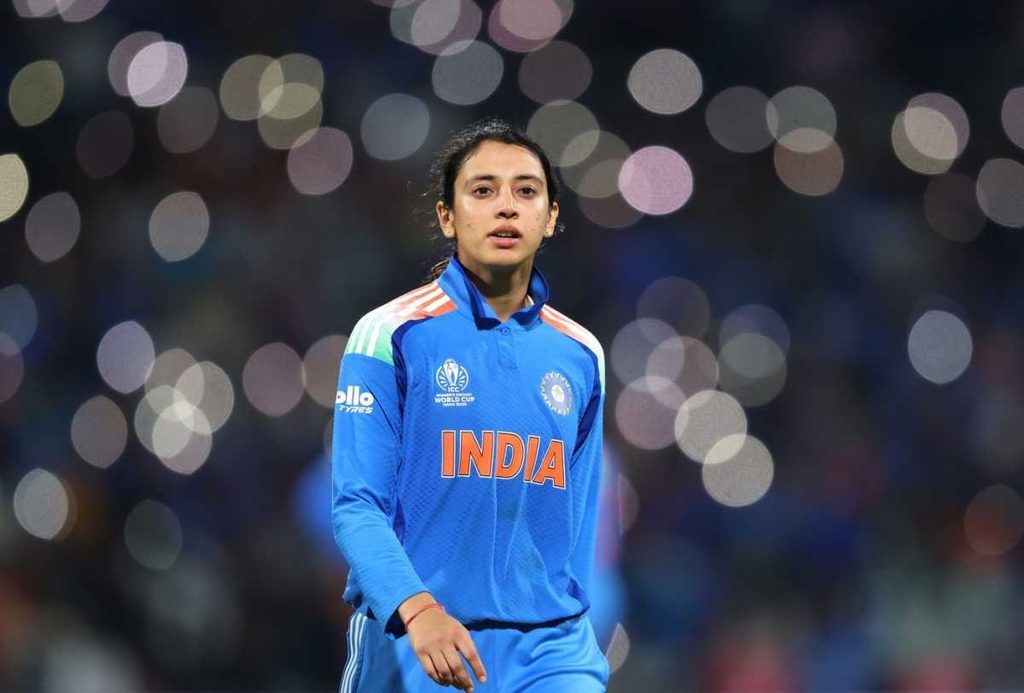
Indian women’s cricket could be heading toward a significant leadership transition following reports that Smriti Mandhana has been named the new captain of the Indian women’s cricket team after Harmanpreet Kaur stepped down. The reported development has attracted attention from cricket fans, as both players have made important contributions to India’s success on the international stage. Smriti Mandhana is known for her elegant batting, consistency, and ability to perform against top international teams, while Harmanpreet Kaur has earned recognition for her aggressive approach and leadership during challenging matches. If officially confirmed, the reported change would mark a new chapter for Indian women’s cricket, with expectations surrounding the team’s future performances, leadership direction, and preparations for major international tournaments.
Smriti Mandhana: A New Era of Leadership

Smriti Mandhana has established herself as one of the leading batters in women’s international cricket. Her performances across formats have made her an important part of India’s batting lineup, and her experience in international competitions could prove valuable in a leadership role. Known for her timing, cover drives, and attacking style, Mandhana has consistently attracted attention from cricket followers around the world. Becoming captain would bring additional responsibilities beyond scoring runs, including making tactical decisions, managing team combinations, supporting younger players, and maintaining confidence within the squad. If her appointment is confirmed, fans will be interested to see how she balances her batting responsibilities with the demands of leading the national team.
Harmanpreet Kaur’s Contribution to Indian Women’s Cricket
Harmanpreet Kaur has played a significant role in the development of Indian women’s cricket. Her aggressive batting, competitive mindset, and experience in high-pressure situations have helped shape the team’s identity over the years. She has been involved in several memorable performances, including India’s historic run to the 2017 ICC Women’s Cricket World Cup final. Her remarkable 171 not out against Australia in the 2017 World Cup semifinal remains one of the most memorable innings in women’s ODI cricket. Beyond individual achievements, her leadership has contributed to raising the profile of women’s cricket in India and inspiring young players to pursue the sport professionally. Any confirmed departure from the captaincy would represent an important transition, but it would not diminish her contributions to the national team.
Why a Captaincy Change Could Be Important for Team India
A change in captaincy can influence a team’s strategy, communication, and long-term planning. A new captain may introduce different tactical approaches, adjust batting combinations, explore bowling options, and create opportunities for emerging players. For India, maintaining consistency while developing fresh ideas will be an important consideration during any leadership transition. International cricket demands careful decision-making, especially during close matches where field placements, bowling changes, and batting strategies can influence the result. If Mandhana takes over the captaincy, her challenge will be to build on the team’s existing strengths while adapting to different opponents and playing conditions.
Smriti Mandhana’s Batting Experience and Leadership Potential
Mandhana’s experience as an international batter gives her a strong understanding of the demands of elite cricket. As an opener, she regularly faces the responsibility of providing a solid start while also maintaining the scoring rate required in modern cricket. Her performances in different conditions have helped her develop experience against a variety of bowling attacks. Leadership, however, requires more than individual performance. A captain must communicate effectively, understand players’ strengths, remain composed under pressure, and make decisions that benefit the entire team. If appointed, Mandhana would need to combine her individual responsibilities with a broader focus on team performance, player development, and consistency across formats.
What Could Change Under Smriti Mandhana’s Captaincy?
If the reported appointment becomes official, supporters will naturally be curious about the possible direction of the team under Mandhana. The batting order, leadership group, match-day decisions, and opportunities for younger players may become important topics of discussion. However, a change of captain does not automatically mean a complete change in playing style. Team strategies are generally shaped by the coaching staff, player availability, opposition analysis, and the conditions in which matches are played. The immediate priority would likely be maintaining team unity and ensuring that players remain focused on their performances. The effectiveness of any new leadership arrangement would ultimately be judged by the team’s preparation, execution, and results on the field.
Opportunities for Young Players in the Indian Women’s Team
One of the important responsibilities of any captain is helping young players settle into international cricket. Emerging cricketers often need confidence, clear communication, and opportunities to demonstrate their abilities at the highest level. A supportive leadership environment can help players manage pressure and learn from difficult situations. India’s women’s cricket setup has continued to attract attention as more young athletes pursue professional opportunities in the sport. A potential leadership transition could provide an opportunity to review team combinations, strengthen the bench, and develop players who can contribute over the long term. Building a balanced squad with experienced campaigners and emerging talent will remain important for India’s international ambitions.
India’s Preparation for Major International Tournaments
Preparation for major international competitions involves more than selecting talented players. Teams must develop clear strategies, improve fitness, analyse opponents, and adapt to different pitches and weather conditions. Leadership plays an important role in bringing these elements together. If Mandhana assumes the captaincy, her ability to work with the coaching staff and senior players would be an important part of the team’s preparations. India will need strong performances from its top-order batters, middle order, all-rounders, and bowling attack to compete consistently against leading cricketing nations. A well-balanced squad and effective decision-making will be essential to turning individual talent into collective success.
What Does This Mean for Indian Women’s Cricket Fans?
For cricket fans, a possible change in captaincy creates excitement as well as questions about the team’s future. Mandhana and Harmanpreet have different batting styles and have made their own contributions to Indian cricket. Supporters will be interested in how the team responds to a new leadership structure, whether established combinations remain in place, and how younger players develop. Women’s cricket has gained considerable visibility in India through international tournaments, domestic competitions, and the Women’s Premier League. Continued investment in talent, coaching, and competitive opportunities will be important for sustaining that growth, regardless of who leads the national team.
Harmanpreet Kaur’s Legacy Will Remain Significant
Leadership changes are a natural part of professional sport, but the contributions of former captains remain part of a team’s history. Harmanpreet Kaur’s performances have provided Indian cricket with several memorable moments, particularly her outstanding World Cup semifinal innings in 2017. Her experience could continue to be valuable to the squad even if she no longer holds the captaincy. Senior players often support transitions by sharing their knowledge, helping younger teammates, and contributing through their performances. A successful change in leadership does not require the achievements of a previous captain to be forgotten; instead, it allows a team to build on the foundation established by those who came before.
A Potential Turning Point for Team India
Reports of Smriti Mandhana becoming India’s women’s captain after Harmanpreet Kaur stepped down have generated interest in the future direction of Indian women’s cricket. Mandhana’s international experience and batting achievements make her a prominent figure in the team, while Harmanpreet’s leadership and memorable performances have left a lasting mark on the sport. If the reported change is officially confirmed, the next phase will involve maintaining team stability, developing young players, and preparing for demanding international competitions. Ultimately, the team’s progress will depend on collective effort, sound strategy, and performances under pressure. Cricket fans will be watching closely for an official announcement and further details about the team’s leadership plans.
Latest news verification: The reported captaincy change should not be presented as confirmed until it is announced by the Board of Control for Cricket in India (BCCI) or another official source.


